
Lux – Rosalía’s new album brings women, spirituality and music together as one
By Leonor Valente ‘29
Staff Writer
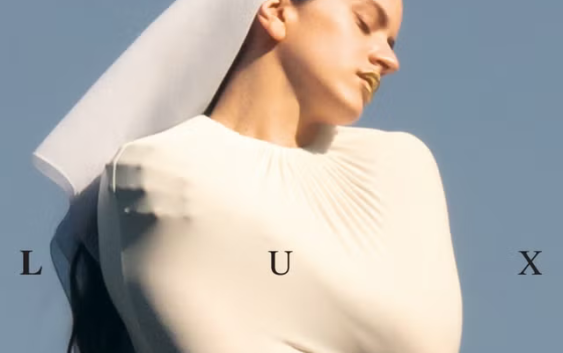
The much-anticipated Rosalía album, following her Grammy-awarded project “Motomami,” was released Nov. 7 and soon took the heart of many fans. Once again, Rosalía proved that she is not just a singer, but an extremely talented and creative artist.
The PR strategy for “LUX” was quite unusual, with the first single “Berghain,” featuring Bjork and Yves Tumor released with a 24-hour notice on the artist’s social media, and an accidental release of “Reliquia,” which was quickly taken down. These spontaneous releases only added curiosity and gave fans snippets of the masterpiece Rosalia was about to grace the world with.
“Lux” is a heavily spiritual album. Rosalía told Popcast that she always had a desire to understand how she could get closer to God. “That spiritual feeling has always been there; it’s just that I haven’t rationalized it or intellectualized it.” This desire being the premise of the album made it very relatable amongst fans with similar feelings towards religion and the culture around it.
Growing up within a Catholic environment and not fully internalizing this faith, while at the same time fighting the patriarchal structures of the church, made me want to be closer to a feminine divide, or find a safe space within religion where I could feel respected as a woman. I believe that “Lux” creates this space. Like me I saw many women describe similar feelings of spiritual connectivity to the album online. Rosalía brings women closer to God and to their divine femininity, their sainthood, while accepting the lifestyles of the modern woman, who dates, who gets her heartbroken, who is not tied down to a single partner.
Rosalía singing in different languages and mixing different musical genres in her pieces, is not a surprise, but with “Lux,” the artist takes her talents to a whole new level. Rosalía sings in 13 different languages, including Spanish, English, Portuguese, Latin, German, Ukrainian, Arabic and more. As a Portuguese speaker, I can vouch for her close to perfect pronunciation and effort into learning so many different languages.
However, opinions about the use of so many languages differ. “I wish I could understand a bit more in depth why she chose to sing in certain languages. The reasoning behind it: is it tied to the religious inspiration of the album? I wanna find out more.” said freshman Ella Cuadra.
Rosalía explained that she likes to learn from others. “Why would I not try to learn another language and try to sing in another language and expand the way I can be a singer or a musician or an artist? The world is so connected,” she said on Popcast. Maybe singing in so many languages is the artist’s way of opening the album to more listeners, sharing her experiences with them and allowing them to identify with hers.
This time, Rosalía divided her album into four movements. This is a term used in classical music, and although Rosalía is not a classical artist, “LUX” is at its heart classical orchestral music (enhancing the themes of religion) and opera. Within these the artist incorporated pop, electronic, flamenco, amongst others that trademark Rosalía. The album has in total 18 tracks, but only 15 were released digitally. Is this Rosalía’s way of pushing fans to consume her music traditionally, or is it her fomenting cultish behaviors associated with spirituality?
ELLE considered “LUX” “grandiose, audacious, and full of big risks,” which I could not agree with more. Rosalía not only experimented with new genres, she experimented with new artists and took advantage of these partnerships.” Memória,” the 14th track, was originally by Carminho, a Portuguese fadista who invited Rosalía to sing with her, but the latter liked the song so much she requested to have it in her album instead.
Top comments on Youtube describe “Memória’s” sound as Disney-like, and much of “LUX” can be described similarly due to the theatre musical feel of the album. These ideas are highlighted by the music videos, which Rosalía has always given great thoughts to when choosing what to show and how.
“LUX” is a whole album experience. The songs transition from one to another smoothly connecting everything together, which makes it hard to listen to certain songs alone. Something similar happened with “Motomami.” The pieces have to be put into context and most of the tracks are longer than 3 minutes, something unusual for modern commercial music. This raises the question, is Rosalía a commercial artist, or is she converting fans to her cult by making conceptual albums?